Your expensive skincare bottle might as well contain orange-scented water if you are applying it incorrectly every morning. Using a vitamin C serum daily should transform dull skin into a glowing, even complexion, yet millions of people see zero results because of simple application errors. Fixing these basic application mistakes unlocks immediate antioxidant protection, neutralizes environmental stressors, and restores your skin's natural radiance.
Used the right way, a high-potency vitamin C serum protects your vulnerable skin barrier from daily environmental damage. Finding the best vitamin C serum India offers ensures your skincare routine remains effective in hot, humid weather without losing potency. Applying a vitamin C serum for glowing skin naturally boosts collagen production while fading persistent dark spots and acne scars. Understanding every benefit of vitamin C serum helps you build an effective morning skincare routine and, when used step-by-step, prevents redness, breakouts, and skin peeling. Choosing a dedicated vitamin C serum for pigmentation helps clear dark marks caused by sun exposure and hormonal changes. Incorporating a daily vitamin C serum for face care neutralises free radicals and prevents premature skin ageing for all skin types.
7 Critical Mistakes Destroying Your Serum's Efficacy
Using a vitamin C serum calls for a specific technique to ensure the active ascorbic acid penetrates deep into your dermis without causing redness or discomfort.
Mistake 1: Applying Directly onto Damp or Wet Skin
Pure L-ascorbic acid vitamin C serums need to be acidic to pass through the skin barrier.
When you use your vitamin C serum for face routines on damp skin, it destroys the acidic pH of the formula, which leads to a really uncomfortable experience of burning, flushing, and irritation.
Wet skin speeds up the rate of trans-epidermal absorption, often resulting in an immediate flare-up in sensitive or reactive skin.
Quick Fix: After cleansing, blot your entire face with a clean towel before applying your daily dose of active antioxidant drops.
Mistake 2: Skipping Daily Sunscreen Application
Does a vitamin C serum help neutralise free radicals? Yes, but in and of itself, the vitamin C serum is unable to protect from damaging ultraviolet rays.
If you neglect to wear broad-spectrum SPF daily, your vitamin C serum targeted for pigmentation work will be rendered totally ineffective when exposed to the sun. UV damage degrades newly formed structural collagen, reversing all of the skin benefits achieved by the morning active serums.
Quick Fix: Protect your skin by applying SPF 50 broad-spectrum sunscreen over your serum on a daily basis, no matter what the weather conditions are. Read more about why SPF is non-negotiable for Indian skin to understand the full picture.
Mistake 3: Buying Unstable Formulas That Oxidize Quickly
Once a vitamin C serum becomes oxidized, it will turn an almost black colour or a deep orange. Once the vitamin C serum is oxidized, this is a sign that the active ingredients have been used up and have degraded into dehydroascorbic acid.
Over-application of oxidized vitamin C serum for brightening skin could bring clogged pores and blackhead formation and might cause unwanted oxidative stress. Unstable, oxidized solutions produce dangerous pro-oxidant compounds on the skin, which work actively to accelerate premature aging of the skin rather than slow it down.
Quick Fix: Select stabilized formulas like a high-potency vitamin C brightening serum in dark glass bottles that shield the liquid from potential exposure to air, or choose those with tetrahexyldecyl ascorbate for extra stability.
Mistake 4: Storing Your Bottle in Direct Sunlight or High Heat
The more humid and hot the room or bathroom is, the quicker it will make the vitamin C serum break down. Direct sunlight exposure will break down the vitamin C serum quickly.
If you allow clear glass droppers to sit on a sunny counter or windowsill, you will lose the vital benefits of vitamin C serum in just a few weeks. The delicate chemical bonds of active L-ascorbic acid are damaged by variable ambient room temperatures, rendering the topical solution completely inactive.
Quick Fix: Place your bottle in a dark, cool bedroom cabinet or in a skincare mini-fridge to keep it active on your shelf longer.
Mistake 5: Layering Strong AHAs or BHAs at the Same Time
A vitamin C serum combined with the use of glycolic, salicylic, or lactic acid often means erythema and breakdown of the skin barrier.
Using many acid actives together can absolutely destroy the effectiveness of the best vitamin C serum India brands have by overly exfoliating the fragile epidermis. Counterproductively, combining low pH exfoliating acids simultaneously destabilizes the active formula, inhibits penetration into the skin, and creates a burning feeling.
Quick Fix: Apply your hydroxy acids at night, and save your topical ascorbic acid for the daytime. Our guide on how to layer vitamin C, niacinamide, and retinol walks you through the right order step by step.
Mistake 6: Starting with an Overly High Concentration
A product with 20% L-ascorbic acid will be too much for a novice, with abrupt inflammatory eruptions, peeling, and extreme dryness.
Valuable advice for first-time users of vitamin C serum is to give your skin time to acclimate to this actively potent substance. High-strength acidic products tend to cause contact dermatitis and erythema of reactive skin if used directly, rather than following a buffering step.
Quick Fix: Start with a gentle 10% twice per week, and then gradually increase once your skin becomes used to a daily morning application.
Mistake 7: Using Your Serum Exclusively During Nighttime Routines
A vitamin C serum's maximum protection score is during the day, when your skin is at the mercy of sun rays and pollution.
Just using a vitamin C serum on your face at night skips the protective function against pollution and sun radiation that is equally needed during the daytime. The environment's toxins and UV rays produce free radicals on your skin all day, so you need a consistent dose of morning antioxidants on the surface of your skin.
Quick Fix: Apply your drops at the beginning of your day after cleansing and before applying moisturizer.
Detailed Ingredient Mechanics: How Antioxidants Protect Dermal Layers
Understanding how a vitamin C serum operates at a cellular level helps users appreciate the absolute necessity of proper application techniques.
Cellular Protection and Collagen Synthesis Mechanics
A vitamin C serum can donate additional electrons to help neutralize free radicals generated by pollution, ozone, and the sun.
In India, vitamin C serums are delivered in high concentrations of pure L-ascorbic acid in each drop to skin firmness-regenerating dermal fibroblast cells. Maximising vitamin C serum for glowing skin results needs regular, uninterrupted application to maintain steady skin tissue antioxidant saturation.
Experiencing full vitamin C serum benefits includes activating key enzymes like lysyl hydroxylase responsible for cross-linking stable, dense collagen fibers. Master how to use vitamin C serum daily to consistently inhibit tyrosinase enzymes from overproducing excess dark melanin pigment in response to UV exposure.
Applying a vitamin C serum for pigmentation disrupts localised dark spot formation without harming surrounding healthy skin tissue or causing depigmentation. If you want to go deeper into how dark spots actually form and how to address them, read our breakdown on how to get rid of dark spots and hyperpigmentation naturally.
Formulating a vitamin C serum for face application with lipid-soluble derivatives ensures deep penetration through natural, sebum-rich skin oils. Neutralizing daily oxidative stress shields delicate cellular DNA from environmental mutations and prevents structural sagging and deep fine lines over time.
How to Properly Layer Vitamin C in Your Routine
To work a vitamin C serum into your day-to-day regimen, it's necessary to follow a specific product order to ensure complete absorption.
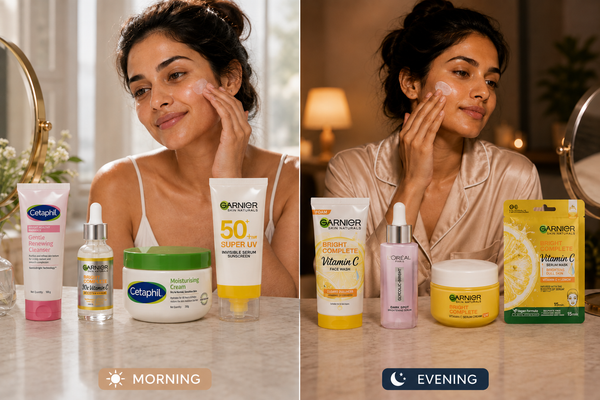
Optimal Morning Skincare Sequence for Maximum Results
Step 1: Wash your face with a gentle, non-stripping cleanser to wash off the oil buildup that occurred while you were sleeping, as well as sweat and any remaining skincare products from the previous evening.
Step 2: Gently pat your skin dry using a soft, clean towel so you don't disrupt active absorption and raise the acidity of your serum's pH.
Step 3: Take 3 to 4 drops of vitamin C serum, squeeze it onto your fingers, and apply it to your face, neck, and chest.
Step 4: Rest for 60 seconds to let the water-based serum or light fluids absorb into the superficial epidermal layers.
Step 5: Finish with a moisturizer that supports a hydrated, barrier-protecting layer, which will lock in the active ingredients, help stop moisture from escaping, and nourish the skin.
Step 6: Top everything off with an extensive, even coverage of broad-spectrum SPF 50 sunscreen to protect your skin from exposure to ultraviolet radiation.
Selecting the Right Derivative for Your Specific Skin Type
How many types of vitamin C serum are there? There are various forms of vitamin C serums designed for different skin sensitivities, oil production, and climates.
Comparing L-Ascorbic Acid vs. Stable Vitamin C Derivatives
The highest-strength and quickest-absorbing vitamin C serum available, which contains only pure L-ascorbic acid, can only be formulated at a low pH to remain active.
Finding the best vitamin C serum in India calls for finding heat-resistant compounds that don't oxidize and are resistant to the tropical humidity. A vitamin C serum for glowing skin with ethyl ascorbic acid is a quick brightening agent for the skin with a lower chance of acid stinging.
Achieving the complete vitamin C serum benefits for sensitive or blemish-prone skin involves the use of non-acidic forms like sodium ascorbyl phosphate. Discover the best way to apply vitamin C serum using a lipid-soluble formula like tetrahexyldecyl ascorbate for the best oil-layer penetration on mature skin.
Choosing a vitamin C serum for pigmentation that includes added ferulic acid helps stabilise the formula and increases overall antioxidant defense twofold. A vitamin C and glutathione radiant glow serum combines the brightening power of ascorbic acid with melanin-inhibiting glutathione, making it an effective option for uneven skin tone. If you're unsure how it compares with other acids, this guide comparing niacinamide, vitamin C, and salicylic acid breaks it down clearly.
Making a vitamin C serum for face care together with vitamin E creates a synergistic lipid-and-water barrier protection system across skin layers. Selecting mild, non-acid derivatives avoids inflammatory flares for acne-prone skin while maintaining high daily skin brightening efficacy.
Environmental and Storage Guidelines for Active Serums
To maintain the strength of your vitamin C serum, you will need to store it carefully and ensure the fragile antioxidant compounds do not become weakened.
Maximising Product Shelf Life and Stability
After every use, you need to screw the top of the bottle tightly shut, since each time you open the bottle, it introduces air to the serum and can cause oxidation of the product.
When using the top vitamin C serum India products, ensure that you keep your bottle away from the bathroom. The hot steam from a shower room results in an increase in temperature.
You can use a vitamin C serum for glowing skin only if the solution stays transparent or light straw-coloured throughout its application. Preserve all vitamin C serum benefits by choosing dark amber, opaque cobalt blue, or airless pump packaging that blocks harmful light rays.
Knowing how to apply vitamin C serum involves checking the dropper liquid at least once a week for any darkening, cloudiness, or sour smell. A vitamin C serum for pigmentation with airless pack technology allows the delicate ascorbic acid to be protected from oxidation during daily use.
A beauty fridge is great for storing your vitamin C serum for face care since the solution stays cold, minimizing a red face during the warmth of summer mornings. This is why you should avoid oxidized, dark brown formulas to prevent skin staining, clogged pores, and unnecessary inflammation of the skin barrier.
Key Takeaways
Conclusion
Getting the most out of your daily vitamin C serum is as simple as following the directions, not making the common mistakes, storing your bottle properly, and sticking with your morning routine. Understanding the best vitamin C serum in India, how to apply a vitamin C serum for glowing skin, what the benefits of vitamin C serum are, how to use vitamin C serum step by step, and how to use a vitamin C serum for pigmentation, all change your skin health long-term.