You have started using a new skincare product. Your skin has become worse. Now you are staring in the mirror, questioning, "Is this my skin purging, or has my product betrayed me?"
It matters that, before you dismiss a new product, you understand that breaking out can be an inevitable result of certain actives that accelerate cell turnover and push all the old, hardened buildup to the surface of your skin. Deciding to continue, scale back, or stop altogether depends on understanding the difference between breaking out vs. purging.
What Is Skin Purging?
What is skin purging? It is the spike in pimples you notice after starting any active ingredient, particularly anything that causes the skin to shed faster or exfoliate.
Skin purging can also be a result of retinol, AHA, and BHA use. They may cause the opening of occluded pores that were developing under the skin. Not all skincare products cause skin purging. It is more common when using actives that really alter the rate of skin cell turnover.
What Causes Purging?
- Retinol speeds up cell turnover.
- AHAs are exfoliants for the skin's surface.
- BHAs, like salicylic acid, assist in clearing pores.
- These actives can accelerate the rate at which clogs are brought to the surface.
- Pimples may get worse at first.
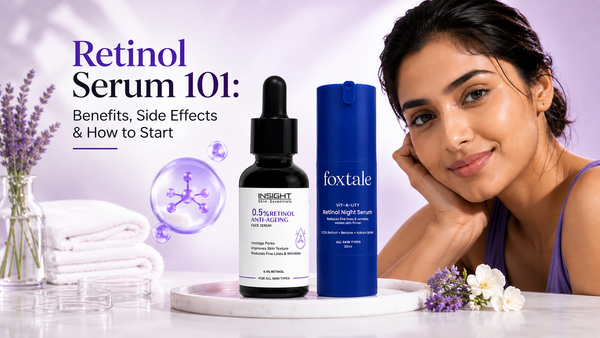
If you've recently started a retinol serum and noticed a sudden uptick in breakouts, there is a good chance you are experiencing a purge rather than a reaction. For more on what to expect when starting retinol, our guide on retinol serum benefits and how to start walks through the full picture.
What Is a Regular Breakout?
A product that causes irritation, blocks pores, or damages the skin barrier often means an occasional breakout. Excess oil, bacteria, and changes in hormones can also play a part.
Breakouts can happen with any product containing heavy oils, fragrances, or pore-clogging ingredients. There should be no burning, swelling, or rash during a breakout. If your skin is red, itchy, or painful after using a product, it could be irritation, not a purge.
Common Breakout Triggers
- Ingredients that clog pores.
- Harsh facial scrubs or over-exfoliating.
- Scent or potential irritants.
- Putting in several new products at the same time.
- Bacteria or excess oil buildup.
- A damaged skin barrier.
Purging vs Breakout: The Main Differences
Confusion between purging vs breakout mostly comes down to skin response, time, and location. There is usually a pattern to purging. A breakout might seem haphazard or continue to get worse.
Purging commonly appears where you already get breakouts, while a breakout may also show up in new areas like the cheeks, jawline, or neck, mainly if the product is not suitable for your skin. As a rule of thumb, purging occurs where you already tend to break out, but all products can potentially cause reactions, including purging or breakouts, sometimes in new areas.
Quick comparison: Purging is caused by faster cell turnover from actives, shows up in your usual acne-prone zones, starts soon after introducing an active, and often settles in 4 to 6 weeks. A breakout can be caused by irritation, clogged pores, or bacteria; it can appear in new areas and may continue while you are still using the product.
How to Tell If It Is Purging
There is a typical pattern to purging. It usually starts once an active ingredient that increases cell turnover is introduced.
Signs It May Be Purging
- You recently began retinol, AHA, or BHA.
- Pimples are showing up in your usual breakout spots.
- You are observing tiny whiteheads or blackheads.
- The flare is temporary and starting to level out.
- You have been using this product consistently for a couple of weeks.
You should not experience any pain while purging. Some dryness or sensitivity may occur, but not a painful burning or swelling.
How to Tell If It Is a Breakout
Breakouts can be a sign your product is not suitable for your skin. It can occur due to irritation, congestion, or a compromised skin barrier.
Symptoms of Breakouts
- Pimples are appearing in areas of your face where they have never appeared before.
- Your skin burns, itches, or becomes swollen.
- You are suffering from painful cystic acne.
- Your skin is red, raw, or painfully dry.
- The issues persist after 6 to 8 weeks.
- The product worsens your skin over time.
Breakouts can also be caused by fungal acne, hormonal fluctuations, or other reasons. Whether it is an underlying condition or a product breakout, a dermatologist can help get to the root of the problem. If you are struggling with persistent acne, our complete acne treatment guide covers causes, routines, and the most effective products to use.
What to Do During a Purge
Purging must be managed with care. Adding five new products at once only complicates the situation further.
- If irritation is mild, continue the active only.
- Use it sparingly if you have sensitive skin.
- Use a basic, non-comedogenic moisturiser.
- Avoid scrubs or rough exfoliants.
- Avoid picking or popping pimples.
- Apply sunscreen every morning.
- Allow the product time to work.
A salicylic acid serum can help keep pores clean and may prevent new whiteheads and blackheads from forming. Retinoids can also clear pores and slow new breakouts over time.
When to Stop a Product
Purging should not hurt. You might notice a little dryness with actives, but burning, swelling, or a rash is not normal.
- Stop if your skin gets more painful or inflamed.
- Discontinue if you get a rash, hives, or severe itching.
- Stop if your skin burns on each use.
- Stop if redness continues to build.
- Stop if painful cystic acne appears in new locations.
- Discontinue if your skin condition deteriorates after 6 to 8 weeks of application.
- See a dermatologist for severe, painful, or ongoing breakouts.
Purging is not universal. One product may be the perfect match for one person but an irritant for another. If you have delicate skin, take things slow with actives and avoid heavy exfoliants on the same night as your retinol.
How to Use Salicylic Acid Safely
Can salicylic acid help acne? Yes. This BHA can enter pores and dissolve oil and dead cell plugs. For a full breakdown of how it works and the best ways to use it, read our detailed guide on salicylic acid for acne.
- Begin with two or three evenings a week.
- Increase only if your skin can handle it.
- Use a moisturiser after.
- Avoid using it alongside retinol on the same evening.
- Apply sunscreen daily every morning.
- Avoid applying it to broken or irritated skin.
How to Build a Simple Routine
Purging is easier to manage with a simple routine. Too many products can confuse your skin and make it harder to identify what is causing a breakout.
- Cleanse gently.
- Use one specific active at a time.
- Hydrate with a non-comedogenic moisturiser.
- Apply sunscreen in the mornings.
- Do not try many new products at the same time.
- Allow each product sufficient time to show results.
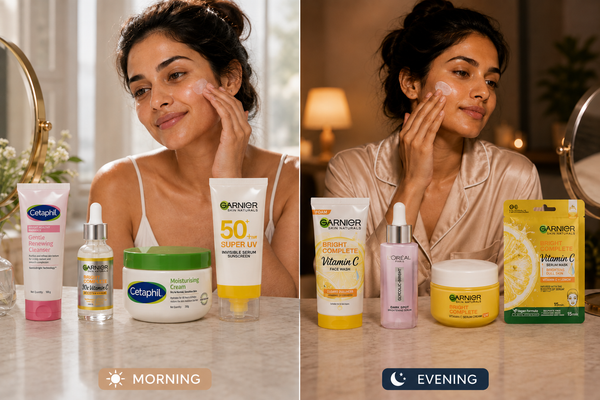
If you are building a routine around multiple actives, it helps to know which ingredients work together and which ones should be kept apart. Our guide on how to layer vitamin C, niacinamide, and retinol gives a clear framework for doing this without causing irritation. If your skin barrier feels compromised from over-active use, the guide on how to repair a damaged skin barrier is a helpful next step.
Dealing with oily or acne-prone skin? A lightweight anti-acne moisturiser gives your skin the hydration it needs during a purge without adding congestion or heaviness.
When to See a Dermatologist
While acne treatment at home works for some, certain levels of purging require specialist consultation. Deep, painful, or recurring acne may need more than a topical treatment. Visit a dermatologist if you have severe acne scarring, sudden breakouts, or if it is impacting your confidence. A dermatologist can determine whether it is hormonal, bacterial, fungal, or caused by something else. Never try to burst a deep cyst yourself as you could make scarring significantly worse.
Key Takeaways
Conclusion
Understanding the difference between purging and a breakout is straightforward once you look at location, timing, and how your skin reacts. Purging is not the same as a breakout and will clear over time when using cell-turnover actives. A breakout indicates that a product, routine, or ingredient is unsuitable for your skin. Keeping your routine simple, supporting your skin barrier, and giving your actives enough time to work are the three things that make the biggest difference.